Choose the Right Soccer Ball for Every South African Pitch
Find the right size, surface durability and construction for your age group, skill level and style of play.
Start With the Right Size
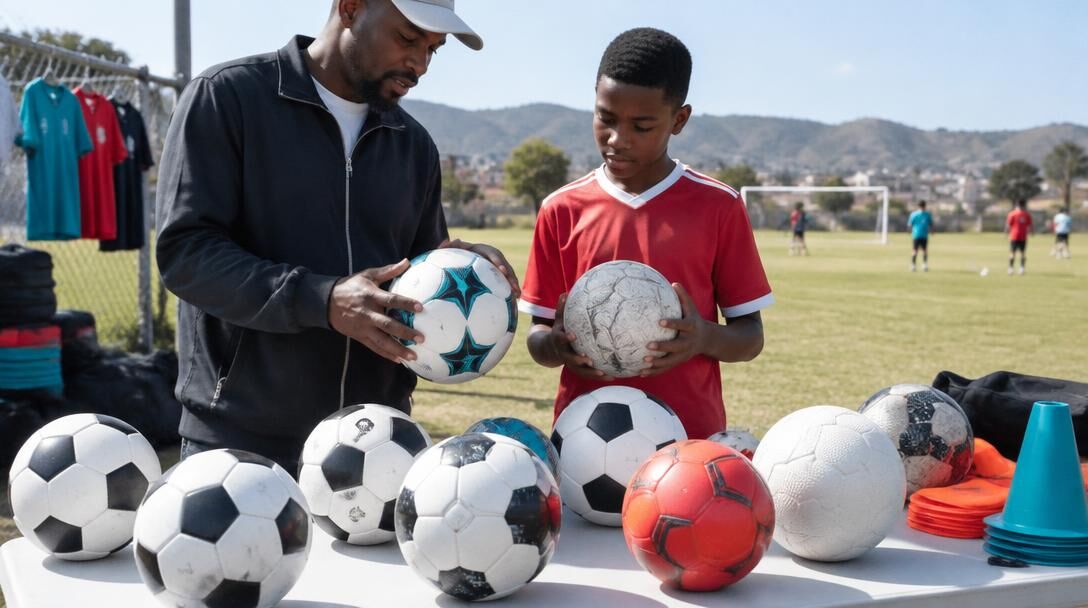
Size 3 is commonly suited to children under 8, size 4 to players aged roughly 8–12, and size 5 to teens and adults. A smaller, lighter ball helps younger players develop control and confidence; always check your club or league rules before buying for organised matches.
Match the Ball to the Surface
For South African grass pitches, look for an outdoor ball with a durable cover and dependable grip. Rough school fields, concrete and hard courts wear covers faster, so choose a hard-ground or street-ready ball for those surfaces. Futsal calls for a dedicated low-bounce ball rather than a standard outdoor model.
Choose Construction for How You Play
Machine-stitched balls offer practical value for casual kickabouts, while hand-stitched or thermally bonded panels can provide a more consistent feel for regular training and matches. Check the cover material, bladder and recommended inflation: a sturdy synthetic cover suits frequent use, and the right pressure helps preserve shape and touch.
Size 4 or Size 5: Which Fits Your Player?
Size 4: Developing Players
Typical age: around 8–12 years
Circumference: approximately 63.5–66 cm
Smaller format supports close control and technique
Good for age-appropriate training and youth games
Confirm your school or league’s size requirements
Size 5: Teens and Adults
Typical age: 13 years and older
Circumference: approximately 68–70 cm
Full-size format used in most adult matches
Suitable for older youth training and competitive play
Check competition rules before match day
What Makes a Ball Play Better?
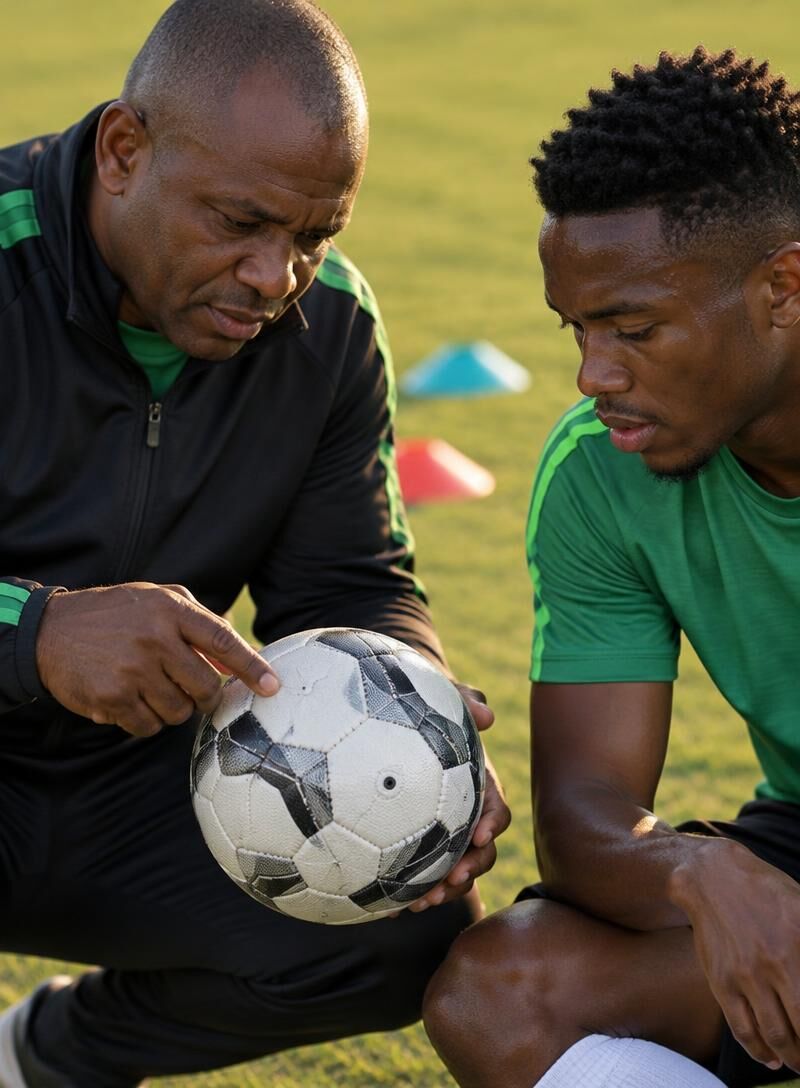
Materials and construction shape how a soccer ball feels, flies and holds up on South African pitches. Check these details before choosing a ball for your age group, surface and budget.
Outer Cover Material
PU covers generally offer a softer touch for matches, while tougher PVC covers suit frequent training and rougher ground. A textured finish can improve grip in wet conditions.
Panel Construction
Fewer, well-shaped panels can create a more consistent flight. Reinforced panels help a ball keep its shape through repeated kicks and changing weather.
Bladder and Air Retention
Latex bladders feel responsive but need more frequent inflation. Butyl bladders hold air longer, making them practical for school teams and regular training.
Stitched or Bonded Seams
Machine stitching offers an affordable everyday option; hand stitching can add strength. Thermally bonded seams limit water uptake and support a cleaner touch on damp grass.
Match the Ball to the Playing Surface
Natural Grass
Choose a ball with a soft PU cover and reliable shape retention for controlled passing on maintained grass pitches.
Wet Grass
Look for water-resistant bonding and a textured cover when rain makes South African fields slick.
Artificial Turf
A durable cover and reinforced seams handle the extra friction of synthetic pitches without sacrificing touch.
Hard, Dry Ground
For compacted earth common at informal grounds, prioritise a tough PVC cover over a delicate match-ball finish.
Concrete Courts
Pick a hard-ground ball built for abrasion; standard grass balls wear quickly on tar or concrete.
Indoor Courts
Use an indoor ball designed for smooth floors and controlled bounce rather than an outdoor match ball.
Younger Players
Pair the surface with the right size: size 3 for younger children and size 4 for many junior players, subject to league rules.
Older Players
Most players aged 13 and up use size 5; beginners may prefer a forgiving training ball before moving to match specifications.
Which Type of Soccer Ball Fits Your Game?

Training Ball
Built for repeated drills, a training ball favours durability and air retention over premium match feel. Ideal for schools, clubs and regular practice.
Best for frequent sessions
Tougher everyday cover
Consistent, practical performance
Good value for teams
Match Ball
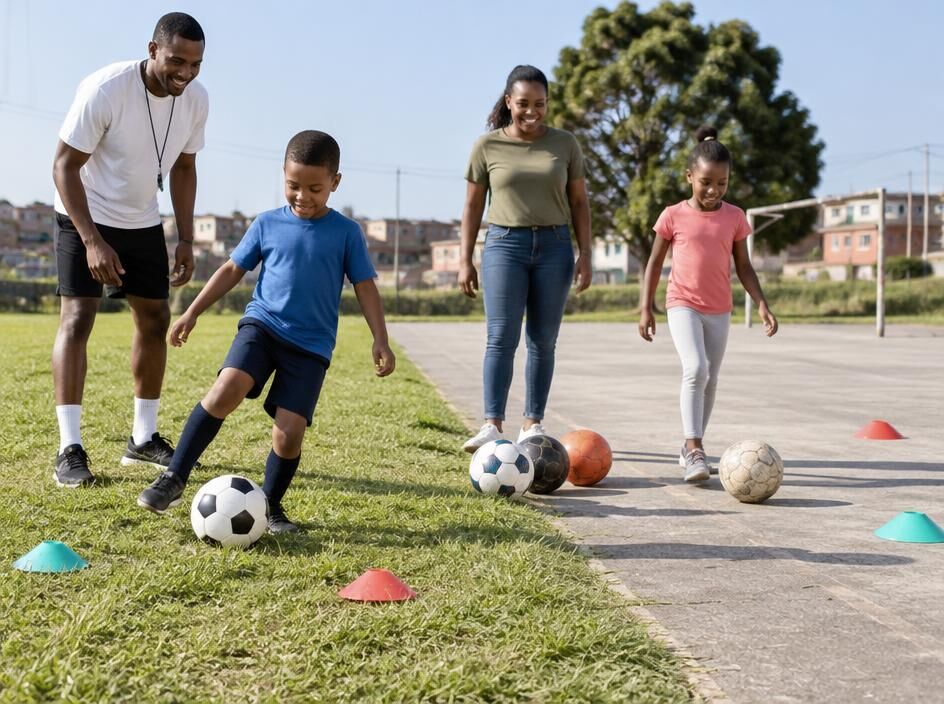
Designed for competitive play, a match ball prioritises responsive touch and dependable flight. Best for players and teams seeking game-day performance.
Best for organised matches
Softer, refined touch
More precise flight
Protect from abrasive ground
Find the Right Soccer Ball in Three Steps
Step 1
Start With the Player
Choose size 3 for younger children, size 4 for most players aged 8–12, and size 5 for ages 13 and up. Beginners may prefer a softer, easier-to-control ball.
Step 2
Match Your Surface and Schedule
For regular play on hard South African pitches, look for a durable outer cover. For grass matches, consider a ball designed for consistent flight and touch.
Step 3
Set Your Budget
Pick an affordable training ball for everyday practice, or invest in a match ball if performance matters most. Compare construction and durability before deciding.
Soccer Ball Buying FAQs
Get quick answers on sizing, inflation and care before choosing a ball for your local playing conditions.
Which soccer ball size should I buy?
Size 3 generally suits children under 8, size 4 suits ages 8–12, and size 5 is standard from age 13. Check your league’s rules, as age cut-offs can vary.
How much should I inflate a soccer ball?
Use a pump with a pressure gauge and follow the PSI range printed near the valve. Add air gradually; overinflation can affect touch and strain the seams.
Which ball will last on hard South African pitches?
For rough ground or frequent training, choose a ball with a hard-wearing synthetic cover and strong stitching or bonded panels. Save a premium match ball for suitable grass surfaces.
How do I look after my soccer ball?
Wipe off dirt after play, let the ball dry naturally and store it out of direct sun. Avoid leaving it in a hot car, and check the air pressure before your next session.
Ready to Find a Ball That Fits Your Game?
Explore Soccer Balls to compare options by playing surface, age group and budget, whether you need a first ball for a young player or a durable choice for weekly games.