
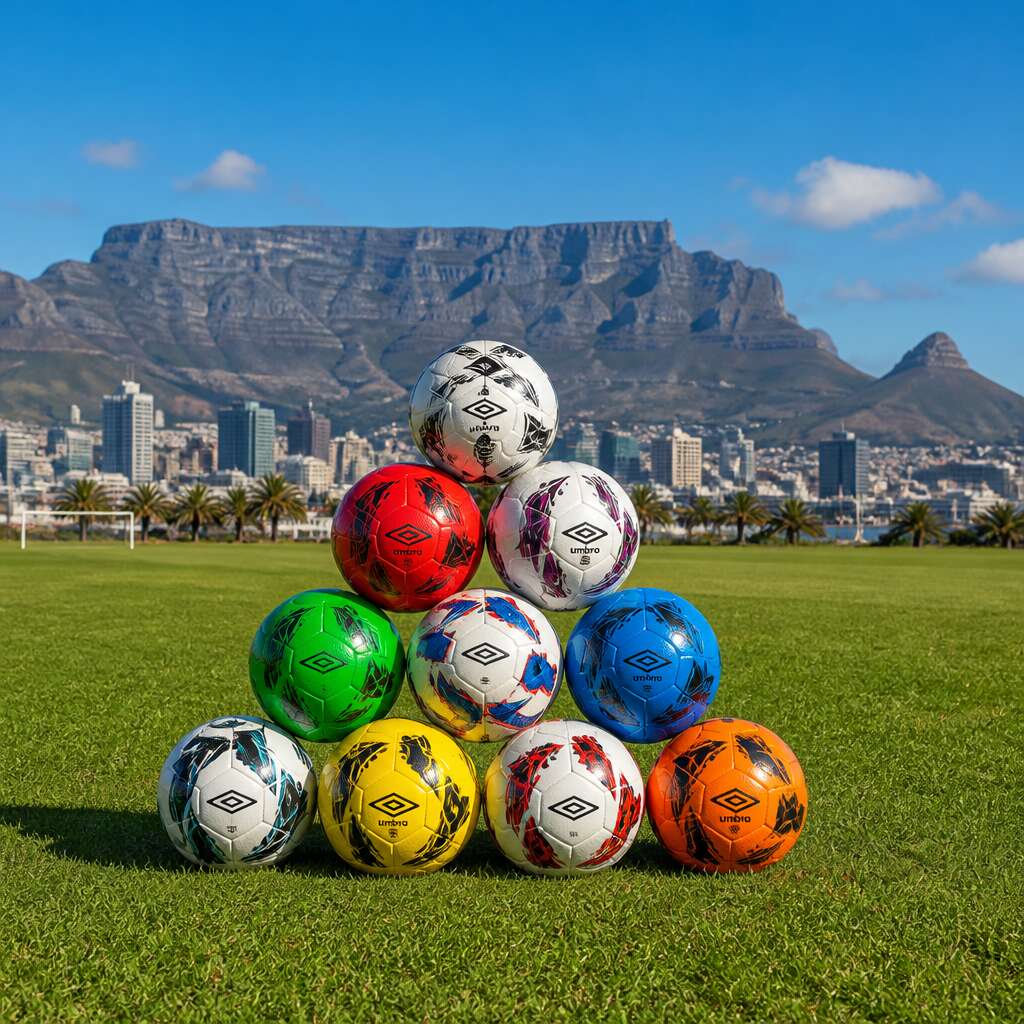
The Growing Demand for Football Equipment in Greater Cape Town
Rising Numbers of Community Football Leagues
Greater Cape Town’s football scene is no longer just a weekend pastime. Community leagues have grown by nearly 40% in the past five years, according to local sports council data. That growth translates into a constant need for reliable training equipment. Clubs across Khayelitsha, Mitchells Plain, and the Northern Suburbs are now purchasing in volume to keep their squads supplied.
One coach I spoke with orders new match balls every season. For him, sourcing bulk soccer balls Cape Town at competitive prices has become essential. The demand isn’t limited to professional clubs either. School tournaments and corporate social leagues add further pressure. Typically, this means clubs need:
- Durable training balls
- Match-quality inflatables
- Pump and maintenance kits
Stockpiling these items ahead of winter fixtures makes practical sense. It ensures no session gets cancelled due to missing equipment.
School Sports Programs and Their Equipment Needs
Summer tournament registrations among Cape Town primary and high schools climbed by 22% this year, according to the Western Province school sports association. That spike puts real strain on equipment budgets. Schools now order bulk soccer balls Cape Town suppliers regularly to keep up with training sessions and inter-school fixtures.
Schools must equip multiple age groups across different fields. The gear needs to survive hard ground, regular use, and storage in shared facilities. Common orders include:
- Size 4 and size 5 match balls for different age divisions
- Replacement bladders and valve repair kits
- Training balls with reinforced panels for daily drills
- Ball bags and pumps for transport between venues
Procurement happens at the start of each term, though many coaches buy extra stock before the winter season. One district coordinator told me her schools go through roughly 40 balls per term! That volume makes reliable sourcing from bulk soccer balls Cape Town distributors a practical necessity.
The Role of Local Football Academies
Academy enrolment across Cape Town’s northern suburbs has grown 31% since 2022. That surge forces private training centres to order bulk soccer balls cape town in quantities that surprise first-time suppliers. One academy director told me his facility cycles through 120 balls each month. These academies operate year-round, unlike school terms. They need durability on artificial turf and beach training zones. Common orders from academies include:
- High-visibility balls for twilight sessions
- Futsal balls with low bounce for technical drills
- Reinforced match balls for competitive age groups
Local academies act as demand hubs. Their purchasing patterns shape distributor stock levels. When they buy bulk soccer balls cape town outlets adjust deliveries to match weekly intake rates. That consistency is what keeps sessions running without disruptions!
Wholesale Football Suppliers and Wholesale Buying Channels
Specialist Sports Wholesalers With Dedicated Trade Desks
Most buying mistakes happen when purchase decisions skip the trade desk. Dedicated wholesalers assign specialists who handle volume orders, manage stock allocation, and know current freight timelines. In my experience, that expertise proves decisive when clubs, schools, and independent retailers request bulk soccer balls cape town for preseason planning.
A trade desk offers more than a price list. You get direct access to stock availability across multiple brands, plus guidance on pairing training balls with match balls to extend a budget. Several desks now handle custom printing and staged delivery coordination, which simplifies larger orders.
Ordering through a specialist channel typically shortens lead times because your request enters the same pipeline as regional distributors. Representatives can also flag pricing adjustments before they become public.
- Request a current stock sheet, not a catalogue
- Ask about mixed pallet options for different ball types
- Confirm freight terms before the order is placed
Whether you require one shipment or staggered deliveries across a season, a trade desk coordinates variables that generic online platforms ignore.
Leveraging Local Manufacturers and Their Factory Shops
The factory shop floor reveals margins that no distributor will show you. Local manufacturers in Cape Town produce thousands of units daily, and their factory shops sell directly to coaches, clubs, and independent retailers. You can secure bulk soccer balls cape town at prices that skip the typical 30% wholesale markup!
Buying from a manufacturer means negotiating with the people who set tolerances on panel glue and bladder pressure. When you secure bulk soccer balls cape town this way, you can request small custom batches or offload bulk lots from cancelled export orders. Factory shops often have seconds with minor cosmetic defects, perfect for training drills.
For wholesale buying channels, this requires a consistent approach:
- Visit the factory shop during month-end stock rotations.
- Compare per-unit costs against a full pallet order.
- Ask for a written lead time on custom printing.
That direct relationship shortens reorder cycles and gives you priority when stock runs low.
Online B2B Platforms Trusted by Cape Town Buyers
Online wholesale channels have compressed the distance between Cape Town buyers and overseas factories. Alibaba and Made-in-China now issue verified supplier badges, but no platform inspects the stitching of a bulk soccer balls cape town order before shipment. Payment protection and trade assurance reduce risk, yet the real confidence comes from direct verification.
Procurement managers in the Western Cape run three checks on every supplier profile they shortlist:
- Compare the stated production volume against the platform’s trade history.
- Demand dated photographs of the actual stock, not catalogue images.
- Verify freight quotes against independent shipping calculators.
That routine has exposed middlemen who present themselves as wholesale football suppliers while quoting prices that look generous until the container arrives. For buyers who skip the checks, the savings on bulk soccer balls cape town orders vanish in port fees and rejected bladders.
Navigating Pricing From Retail Chains vs Wholesale Warehouses
Retail chains in Cape Town often price a single match ball at more than double the unit cost a warehouse quotes for a pallet. That gap is not margin gouging. It covers shelf space, staff, and the slow turnover of seasonal stock. Wholesale warehouses operate on thinner margins and faster rotation, which is why their pricing structures reward volume over choice.
When comparing quotes for bulk soccer balls cape town, buyers should separate the base unit price from the extras. Warehouses may add transport, handling, and minimum order surcharges. Retail chains bury those costs in the ticket price. The real comparison is the landed cost per usable ball.
- Request a full costing sheet that includes loading and delivery.
- Check whether the supplier holds stock locally or imports to order.
- Confirm the bladder and panel construction before comparing prices.
Pricing transparency varies. A warehouse quote for bulk soccer balls cape town can shift when currency moves, so lock the rate at order confirmation.
Key Factors to Evaluate Before Placing a Volume Order
Choosing the Right Ball Size for Age Groups and League Rules
Most volume order mistakes surface at the first training session, not at the signing desk. A squad of junior players kicking size 5 balls on a U12 pitch creates chaos. Before you buy bulk soccer balls cape town, reconcile your age groups with the league’s regulation sizes. Western Cape leagues follow standard progressions: size 3 for the youngest, size 4 for mid age groups, and size 5 for senior fixtures. From my experience, the right size changes touch and control! When evaluating suppliers, inspect the production consistency. Place these checks on your shortlist:
- Confirm the exact circumference required for each division
- Verify the ball weight matches the age bracket’s development stage
- Test a sample on the same turf your teams use
A trustworthy supplier helps you confirm ball weight, material, and bladder construction before you commit. Practice balls take more punishment than match balls. Ordering a blended mix for training and competition keeps your bulk soccer balls cape town spend efficient.
Weight and Circumference Compliance With FIFA Standards
A ball that fails the weigh-in drifts in the Cape Town wind. FIFA’s standard for a size 5 ball sits between 410 and 450 grams, with a circumference of 68 to 70 centimetres. When you order bulk soccer balls cape town, these numbers become your baseline. Suppliers who skip quality checks often ship balls that fall outside this range, especially in mixed batches.
I have seen teams receive a shipment where half the balls met spec and half did not. The difference shows up in flight path and bounce consistency. Check each batch against the FIFA stamp, but do not trust the stamp alone. Weigh a sample from different boxes. Measure circumference with a tape, not by eye.
- Weigh at least five balls from separate cartons
- Measure circumference on a hard, flat surface
- Confirm the bladder type affects weight retention
This verification process takes twenty minutes and protects the bulk soccer balls cape town budget.
Weather Resilience for Coastal and Highveld Conditions
The coastal wind that rattles Cape Town stadiums is not the only enemy. Salt spray corrodes stitched threads, and morning damp settles into cheap bladders. Highveld teams face opposite conditions: thin air and fierce UV radiation that hardens PVC shells. A single bulk soccer balls cape town order often serves both regions, which changes how you evaluate materials before purchase.
Thermally bonded panels outperform stitched balls in salty air because they have no thread to rot. Butyl bladders hold pressure in dry Highveld heat, where latex loses air quickly. Request the full material specification from your supplier rather than relying on the printed surface branding.
- Water resistant outer layers for coastal clubs
- UV stabilised coatings for Highveld training grounds
- Thermal bonding for mixed weather exposure
Printing, Colours and Reversible Training Balls
A club crest that fades after eight training sessions tells you more about the printing method than the supplier. For any volume order, ask about pad printing versus thermal transfer. Pad printing holds up on textured surfaces, while transfer designs can peel on cheap TPU shells. Reversible training balls stretch your budget further, giving goalkeepers two visual targets without extra inventory.
– Confirm colour fastness against UV exposure and repeated scuffing.
– Request a printed sample and test it with a damp cloth after air drying.
– Verify that panel alignment does not distort the club badge.
When you order bulk soccer balls cape town, specify whether you need training balls with matte finishes or match balls with gloss tops. Matte surfaces hide dirt better, but gloss shows club colours more vividly during night fixtures. A single order can mix both, so request a breakdown of print costs per style.
Smart Cost-Saving Tactics for Clubs, Schools and Coaches
Grouping Orders With Nearby Clubs or Associations
A single shipment of training balls is easy for suppliers to ignore. Pool that same request with a local rival’s order, and wholesalers suddenly return your calls! The tactic is straightforward: group orders with nearby clubs, schools, or a local association before approaching any vendor. Their procurement cycles often align with league registration dates, meaning you can attach your order to an existing request.
Pooled purchasing around bulk soccer balls cape town grants every participant access to tiered wholesale pricing without demanding that any single club store extra stock. Associations welcome this because it strengthens their bargaining position. The same logic applies when you compare quotes for bulk soccer balls cape town deliveries; consolidated orders give you leverage with every supplier.
Payment terms require caution. A pooled order needs a lead organiser who collects funds upfront. Clubs that overlook this detail often waste weeks chasing late contributions.
Take Advantage of End-of-Season Clearance Stock
A wholesale price for footballs can drop by nearly half once the season ends. Cape Town suppliers need to move old stock when local leagues wrap up. A school that waits for this window can acquire bulk soccer balls cape town at a fraction of the mid season price!
Clearance lines often include last season’s colourways, reversible training balls with minor cosmetic marks, or mixed sizes left over from larger orders. None of these affect ball behaviour. This is why many clubs treat end of season sales as their primary source for bulk soccer balls cape town.
Inspect samples before committing. Confirm the bladder integrity and stitching on example balls, then place one order for the remaining stock. The discount reflects the season, not the quality.
Maintenance Strategies to Extend Ball Lifespan
Most club equipment managers will tell you that a training ball rarely dies from a single kick. It dies from neglect, wrong pressure, damp storage, and mud left to bake in the sun! The cost of a ball is measured in sessions, not the initial price. That is why orders of bulk soccer balls cape town are valued by people who understand maintenance.
Consider how a well-run club operates.
- A pressure gauge near the kit room means weekly checks become routine.
- Storing balls off concrete and away from direct sunlight protects panels.
- Wiping panels with a damp cloth after matches prevents mud from hardening.
- Rotating balls between drills spreads wear across the batch.
Clubs that follow this pattern stretch a batch across two seasons. For schools, this reduces replacement frequency and frees budget for travel. Over time, it changes the economics of every bulk soccer balls cape town purchase.
Sponsorship Opportunities to Offset Bulk Purchase Costs
A local business will part with a couple of thousand rand if you show them a clear plan and a logo placement on your kit. That figure can cover a third of your annual ball order. Sponsorship is an exchange of visibility for funding. Coaches who treat it that way secure repeat contributions!
- Approach hardware stores or medical practices near your club
- Offer social media shoutouts and naming rights on training bibs
- Bundle sponsorship with a free coaching clinic for the sponsor’s staff
Pile these contributions together and the math shifts. A club that raises sponsorship for its match balls can redirect its budget toward pitch hire or travel. For schools, this pattern turns every bulk soccer balls cape town order into a biddable contract. Shop around after you secure funds, not before. That gives you time to negotiate with wholesalers who fulfil larger quantities and deliver to school grounds.
Donation and Grant Options Available in the Western Cape
Sponsorship covers the visible side of your budget, but quiet funding exists for those who ask. The Western Cape Sports Confederation and the National Lottery Distribution Trust Fund both run annual grant cycles for grassroots teams. Many coaches overlook the provincial Department of Cultural Affairs and Sport, which allocates small equipment grants each quarter. The trick is to align your request with their social development goals, so emphasise access and participation.
Private family trusts are another source. They seldom advertise, yet they fund school programmes generously when approached with a precise plan. A quote for a bulk soccer balls cape town order, paired with a clear cost breakdown, gives trustees confidence.
Typical submission requirements include:
- A certificate of non-profit status
- A two-page project outline
- An itemised quote for equipment
Gathering these documents in advance lets you apply to several funds in one week. It also demonstrates professionalism. Even a R5,000 grant softens the sting of rising ball prices.
When to Consider Reconditioned or Training-Grade Balls
Most club treasurers overlook the second life of a football. Reconditioned balls retain most of their flight characteristics at roughly half the price. When training sessions involve gravel pitches or coastal winds, a scuffed surface matters less than a consistent rebound.
Order bulk soccer balls cape town wholesalers list as practice grade, and you free up budget for match-ready stock. Some suppliers offer a mixed pallet: twelve reconditioned, four new. That combination often stretches a season’s equipment budget further than a pure purchase.
Before you commit, inspect these points:
- Valve integrity and stitching tension
- Rebound consistency on wet turf
- The supplier’s returns policy on reconditioned units
A weak valve ruins a ball faster than a scuff. Ask about the grading standard the wholesaler uses, because some call lightly worn balls reconditioned when they are simply used. For coaches managing a tight ledger, bulk soccer balls cape town reconditioned ranges deserve a spot in the budget.
Handling Delivery, Storage and Team Distribution
Comparing Delivery Options Across Cape Town Neighborhoods
A single pallet of training balls can weigh more than 150 kilograms, which changes how you plan delivery across Cape Town’s sprawling suburbs. Narrow lanes in Bo-Kaap often require small vans, while wide plots in Durbanville accept standard lorries. I once coordinated a drop-off in Khayelitsha where the driver had to phone three times before finding the gate.
Storage differences are equally stark. A school in Rondebosch might offer a dry cabinet, but a community centre in Ocean View needs portable bins. Your bulk soccer balls cape town distribution strategy should match each neighbourhood’s reality.
- Use a central depot in Epping for sorting
- Schedule midday deliveries for areas with limited parking
- Confirm access codes for gated complexes before dispatch
Comparing quotes across delivery zones reveals that per-drop fees vary by almost 40 percent. Planning routes by postal code, not by club name, saves time and money. When you purchase bulk soccer balls cape town, traffic on the N2 affects many midweek deliveries.
Lead Times for Ordering From Overseas vs Local Suppliers
A container from Guangzhou can take six weeks to berth in Durban, while a local factory order might be ready in ten days. That gap matters when your league deadline is fixed. I have seen clubs in Parow order bulk soccer balls cape town from overseas, only to pay for expedited freight that erased the savings!
Local suppliers carry finished stock, so you can collect within the week. Overseas orders require sea freight, customs clearance, and port scheduling. Storage planning should happen before the shipment arrives, not after.
Factors that shift lead times:
- Container consolidation dates at origin
- Customs inspection rates in Cape Town
- Seasonal port congestion
Team distribution adds another layer. If you manage multiple squads, allocate delivery slots early. Otherwise you will store 200 balls in a garage while coaches chase you for stock. A bulk soccer balls cape town order placed in the off season finds warehouses willing to hold pallets longer.
Storing Bulk Inventory Without Damaging Ball Shape
A loaded pallet holds roughly 300 balls, which sounds impressive until you realise how easily they deform. A bulk soccer balls cape town delivery can arrive in a single drop, but your storage plan determines whether those balls survive the season. Stacking them haphazardly in a damp garage flattens the panels and distorts the bladders. Balls need stable temperatures and loose stacking, not compression.
Team distribution should happen within days of delivery. If you manage multiple squads, label boxes by team and age group before the truck arrives. Coaches collecting on different days means fewer handling errors.
- Store balls inflated to recommended pressure
- Keep them off concrete floors on pallets
- Rotate stock so older balls get used first
- Avoid direct sunlight near storage windows

0 Comments